Las hustlerboy
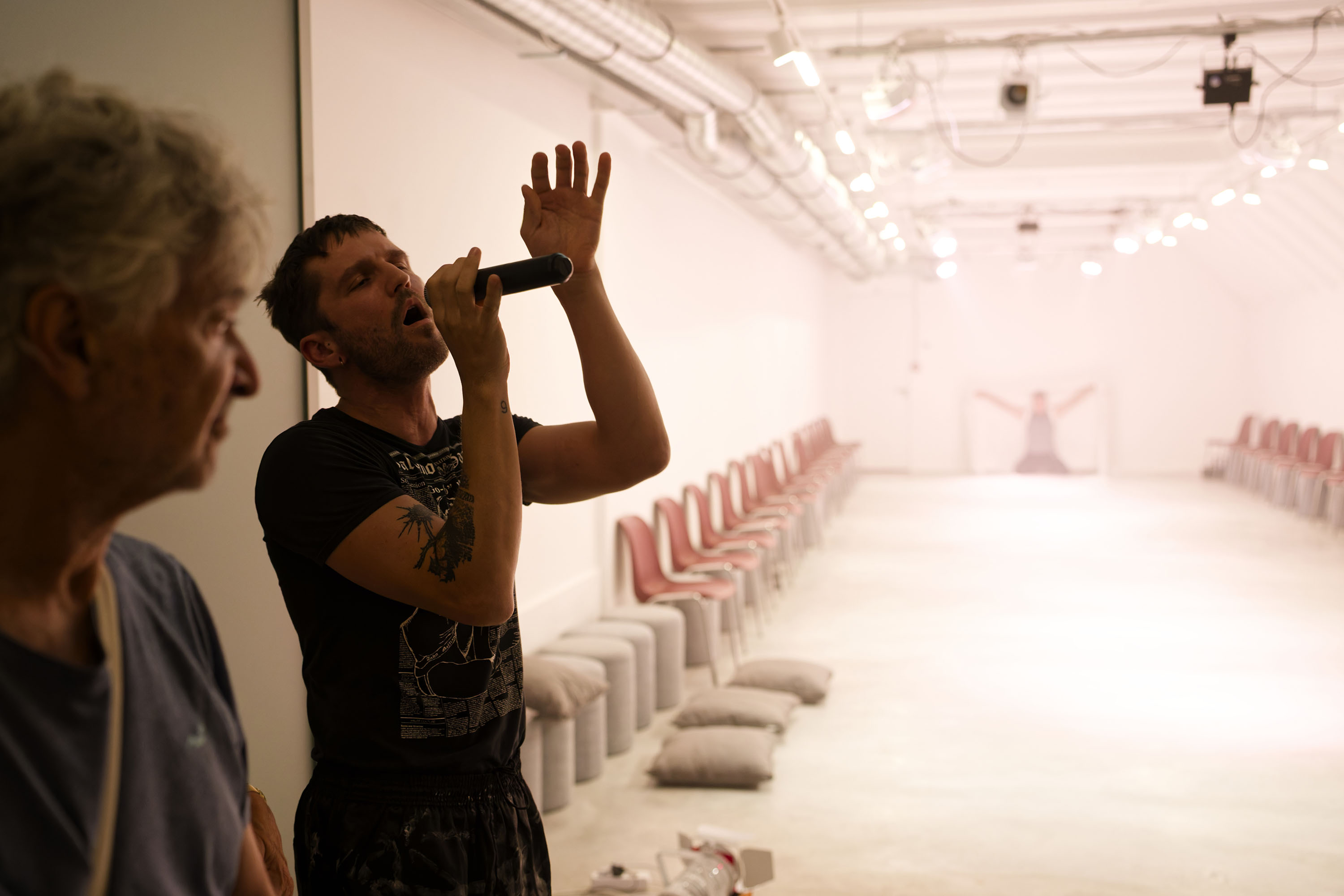
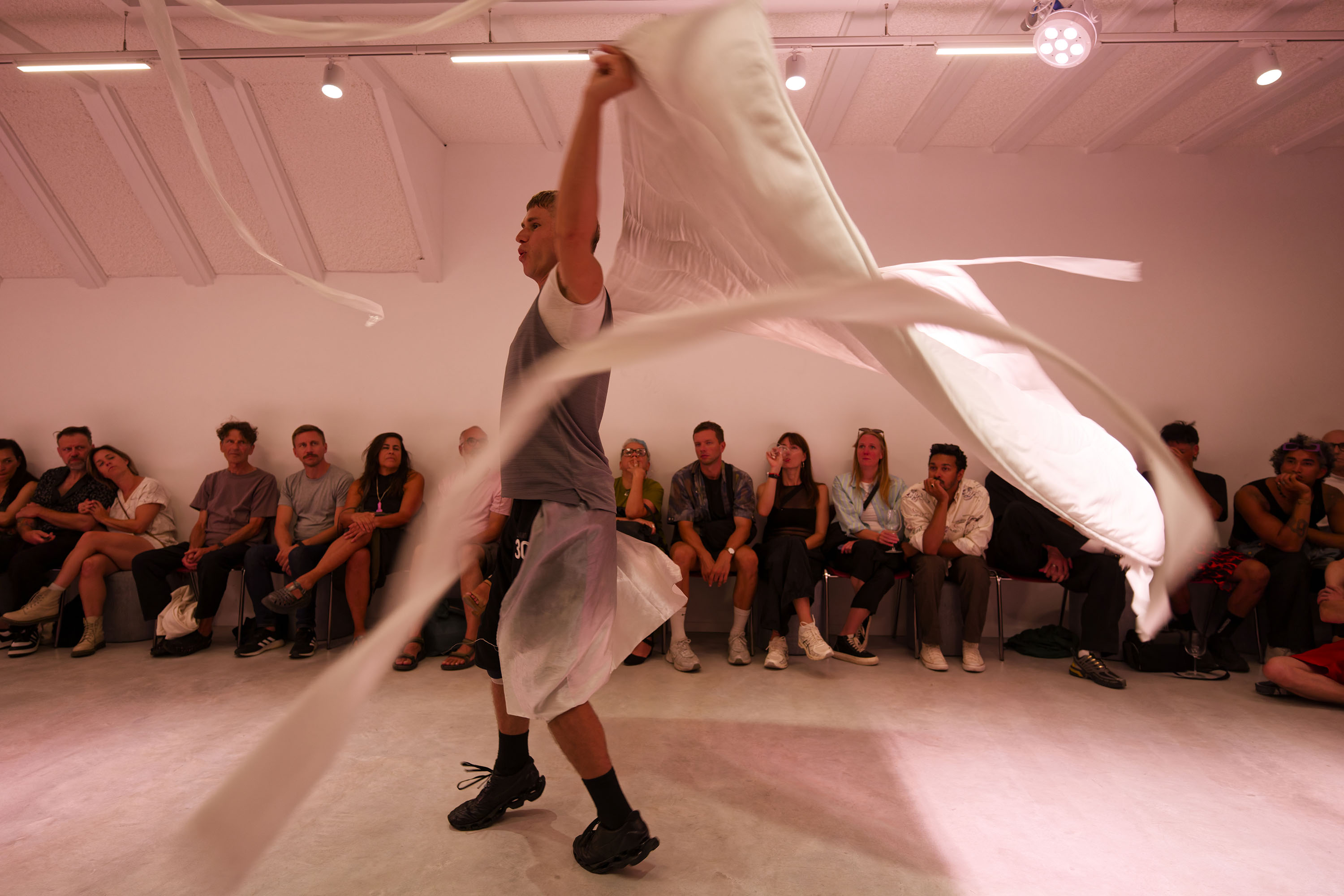
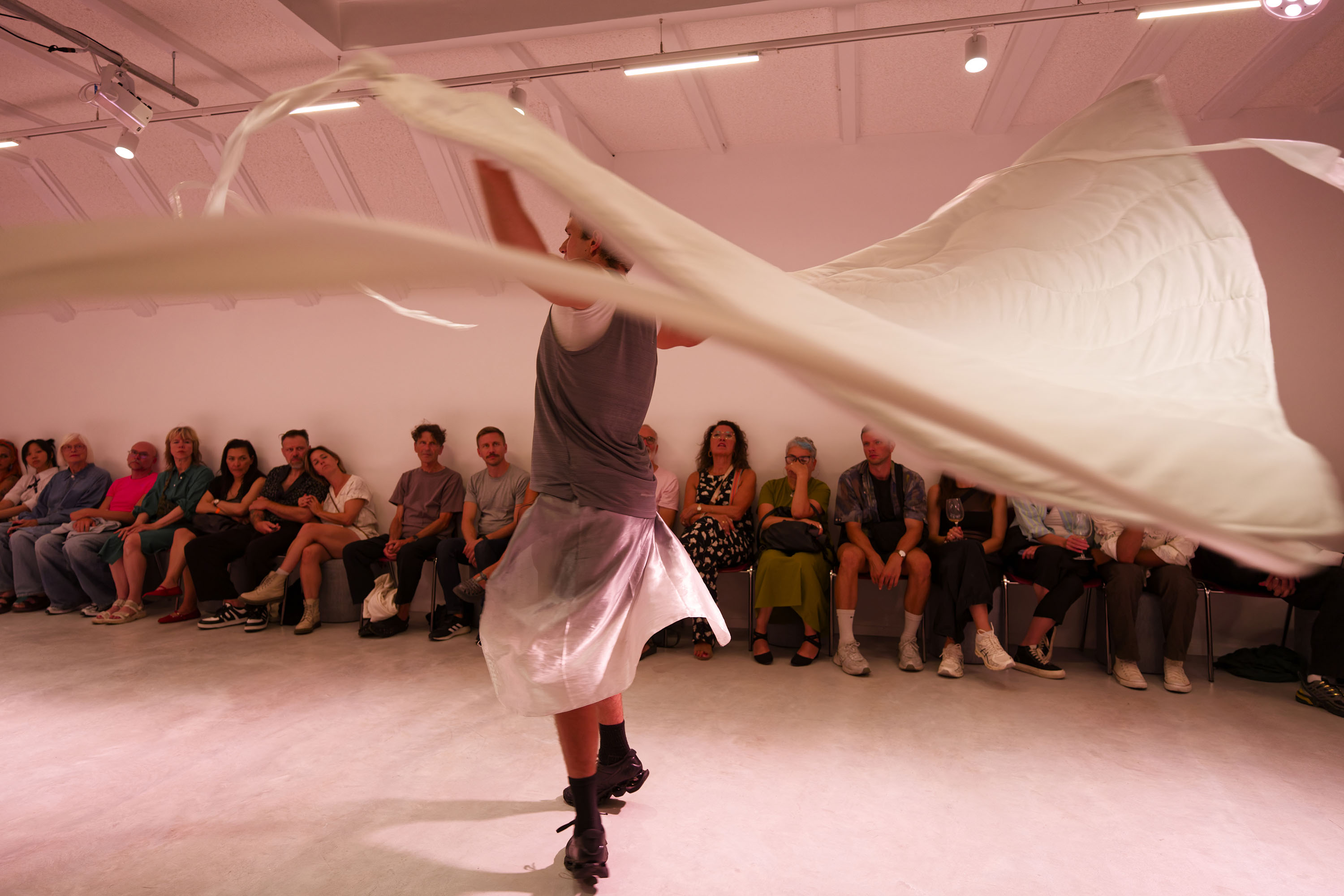
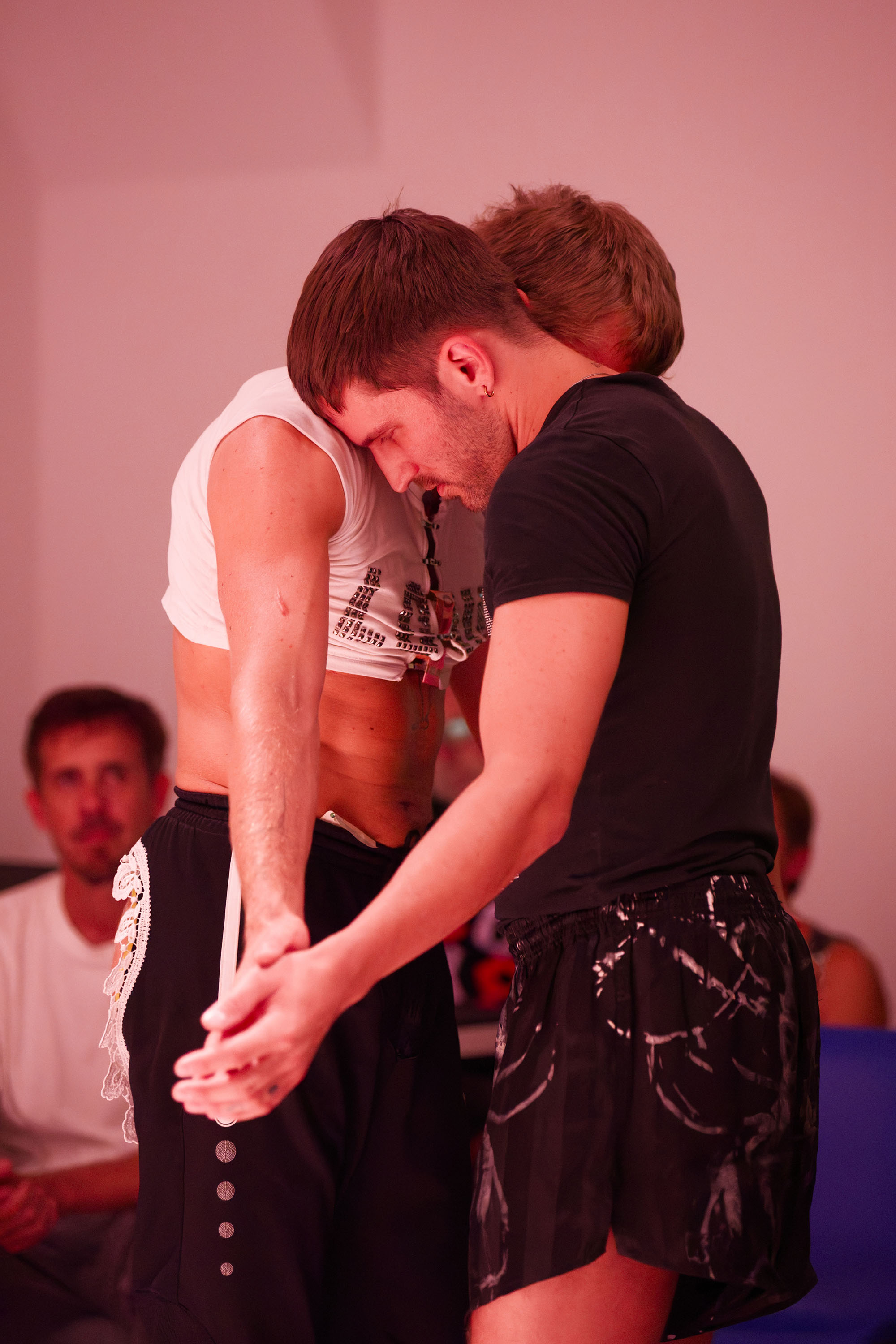

Las Hustlerboy
50’’
COKO space Amsterdam, NEWFEARS Gallery Berlin, Frascati Amsterdam, L’homografia Festival Brussel, Veem House Amsterdam
Form / Methodology
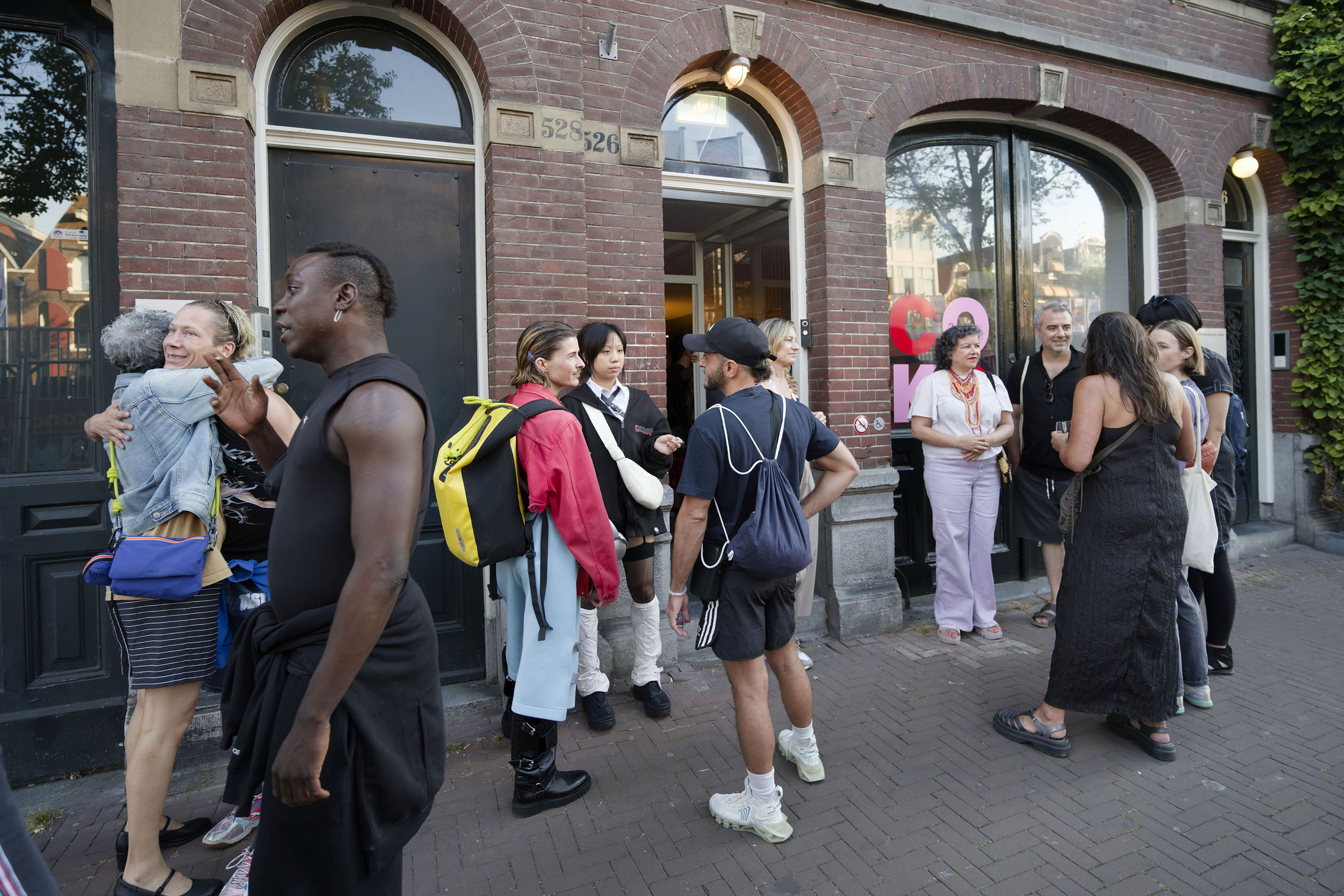
Las Hustlerboy began with a conversation between Reyer and a transfemme friend about the lack of intimacy and sexual fulfillment she was experiencing during her hormonal transition. Half-jokingly, Reyer suggested using part of her institutional funding to hire an escort as an “artistic advisor”, a playful proposal that soon became the starting point for artistic research. “The proposition is to use institutional funding to hire an illegal escort as an ‘artistic advisor,’ paying standard escort rates. We would spend intimate and sexual time together, document and archive the process, and ultimately translate that research into a film or performance work.” due to the dominance of the roles, Reyer therefore proposed during the research to switch the roles, where the escort actually started to fullfull the joked artistic advisor role and where the client/artist became the escort of the artistic advisor and so on, Las Hustlerboy is a translation of this thrilling lived archive research between two sexworkers, which relation after the research transformed into a dear friendship. Today we celebrate the 2 year existence of this research with a 10-day residency at COKO to playfully revisit and change its translations into a new version of Las Hustlerboy.
work description
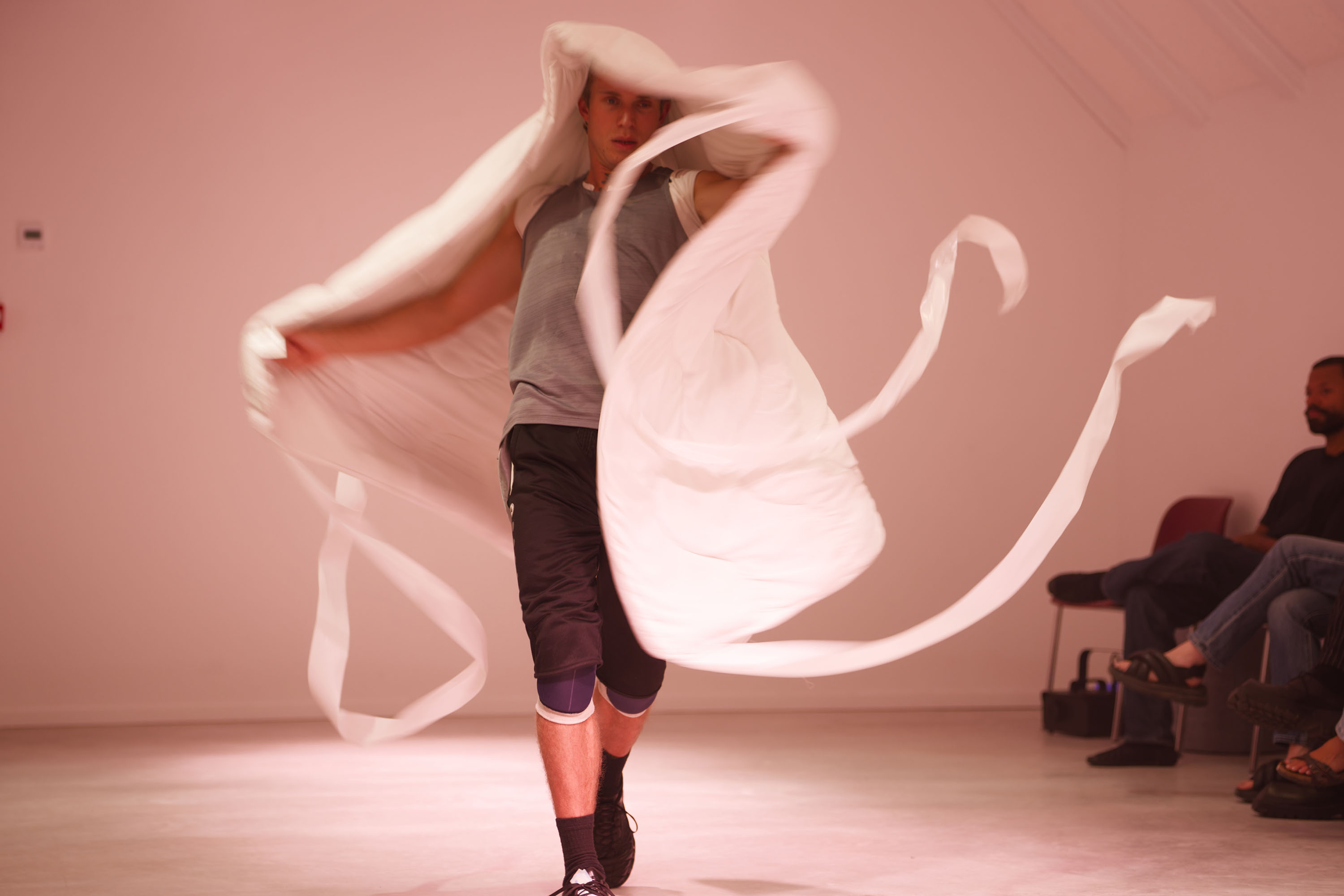
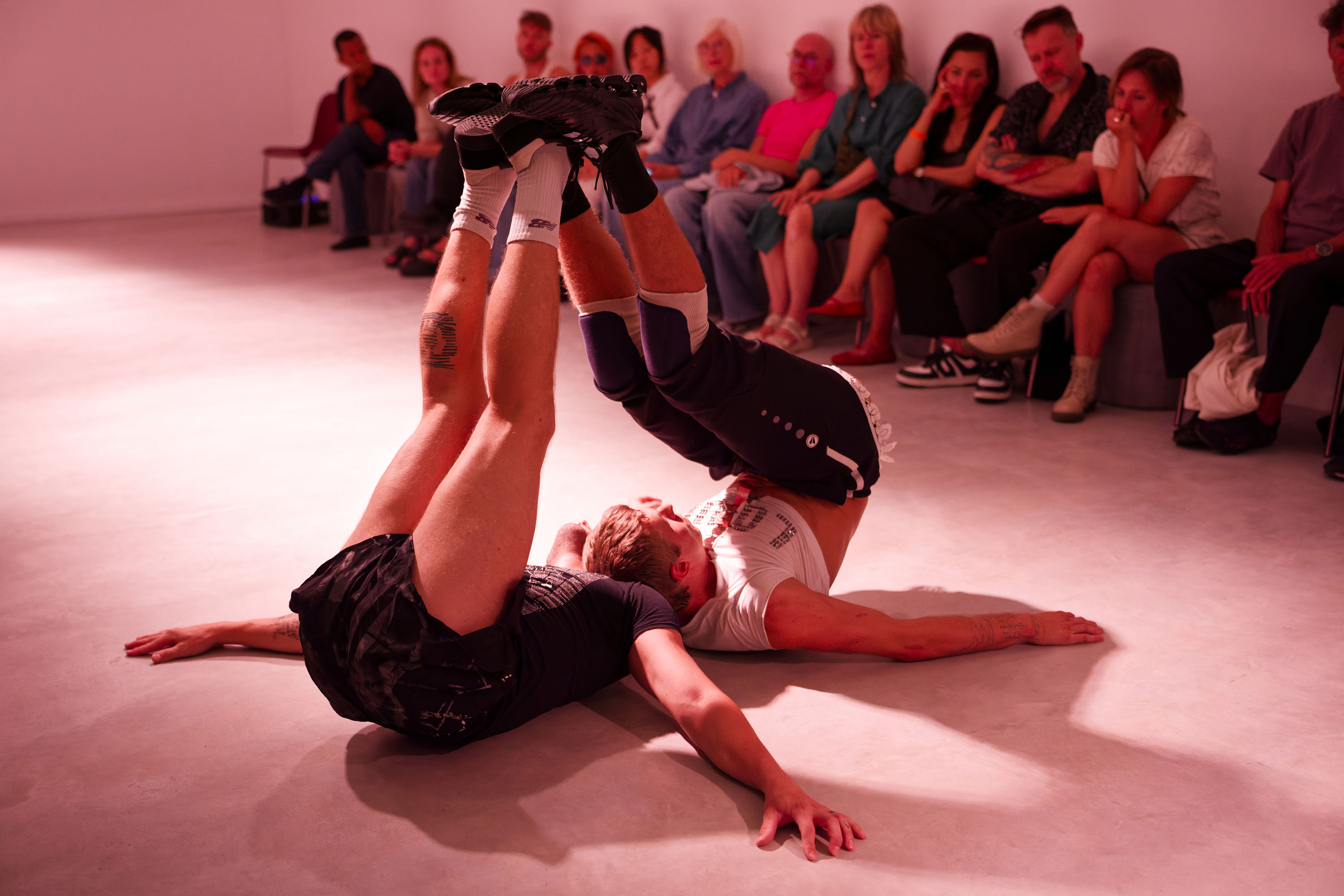
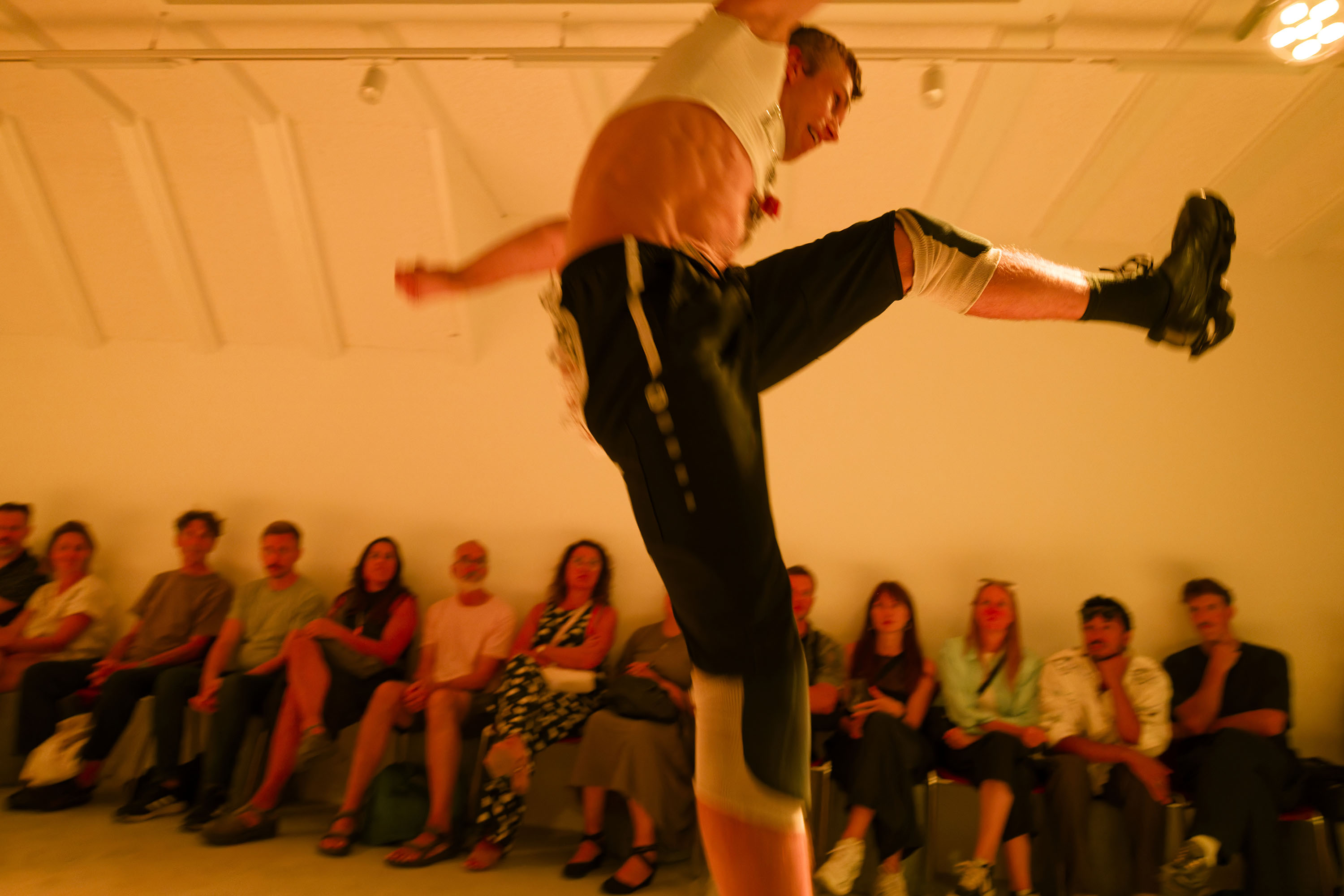
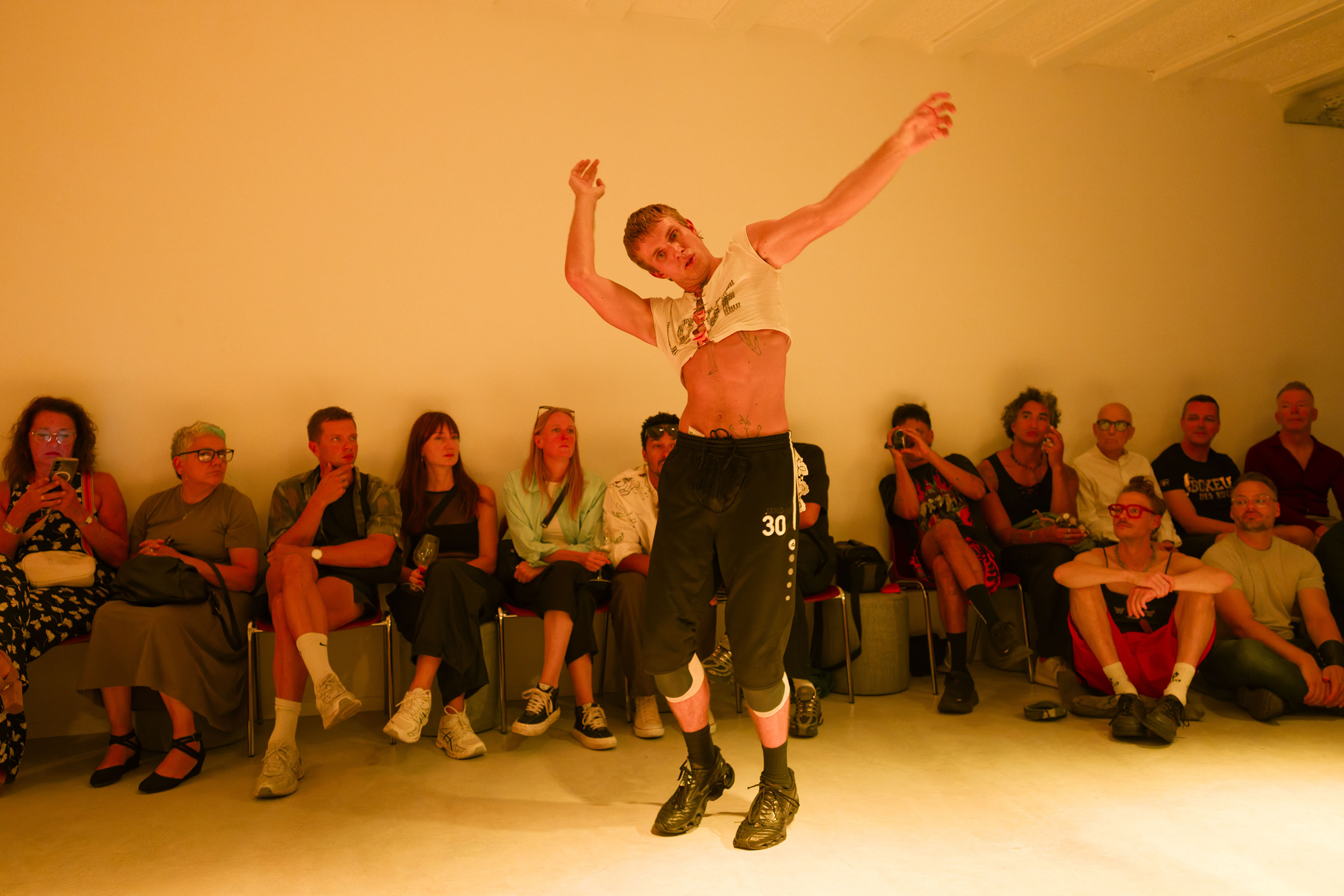
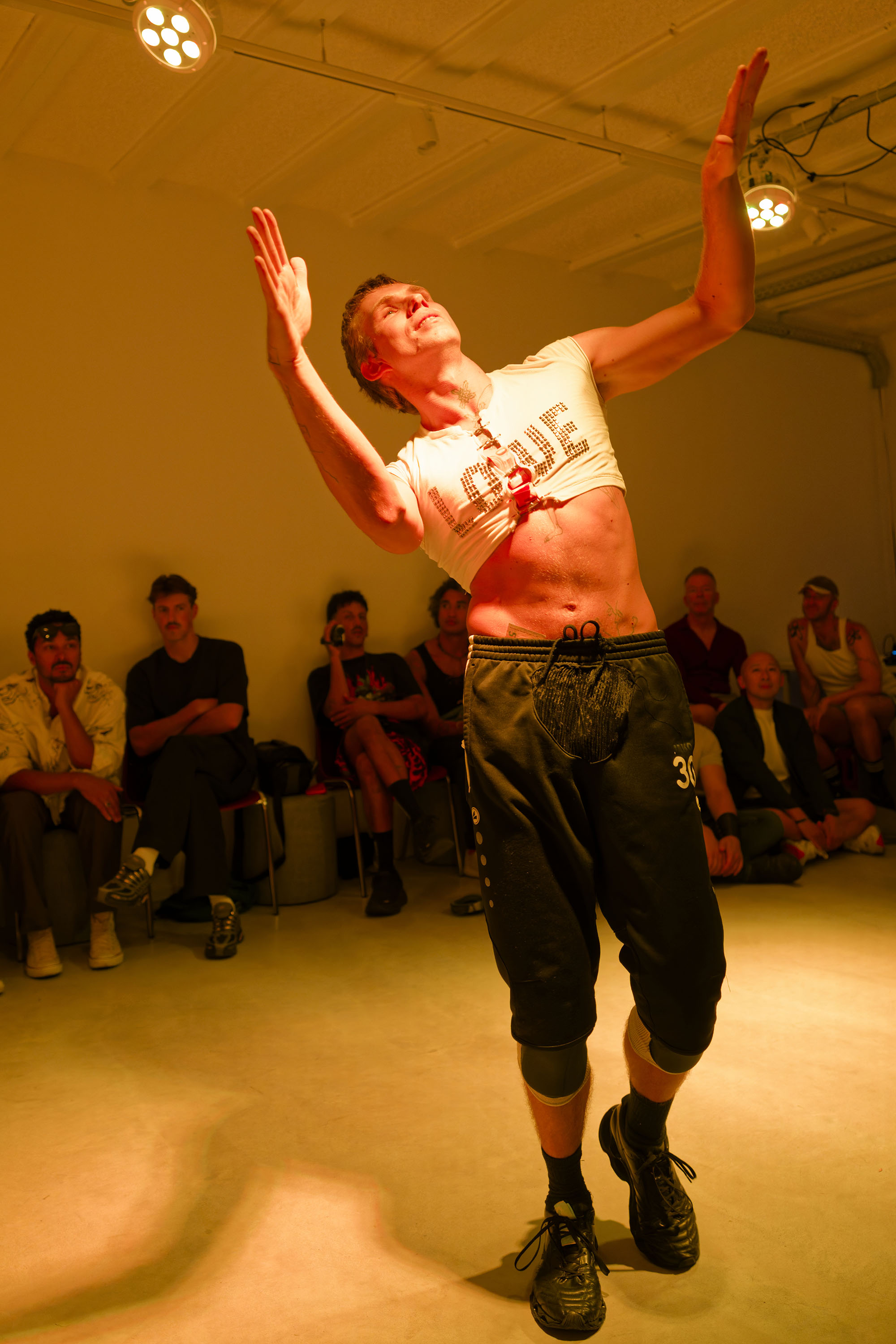
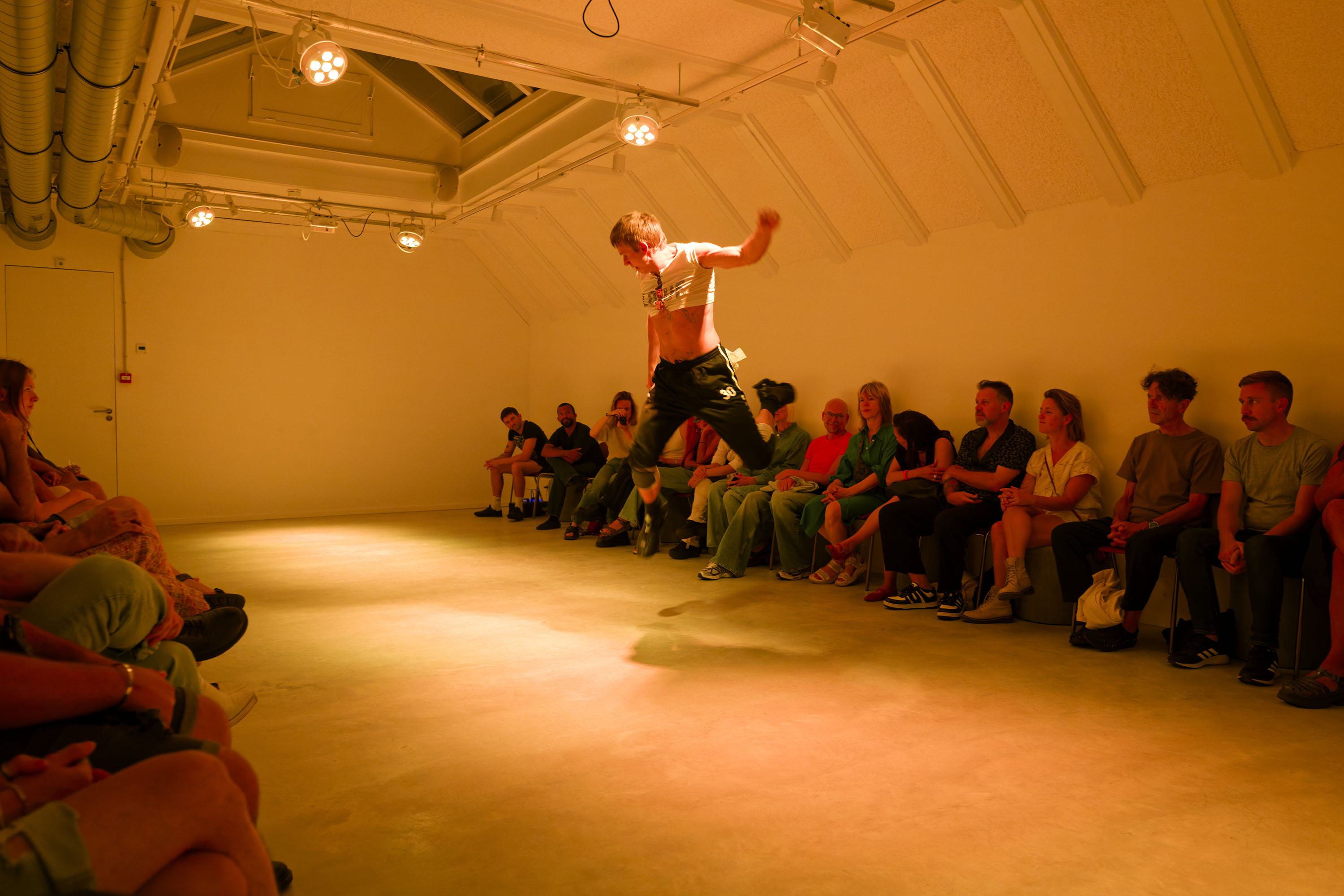
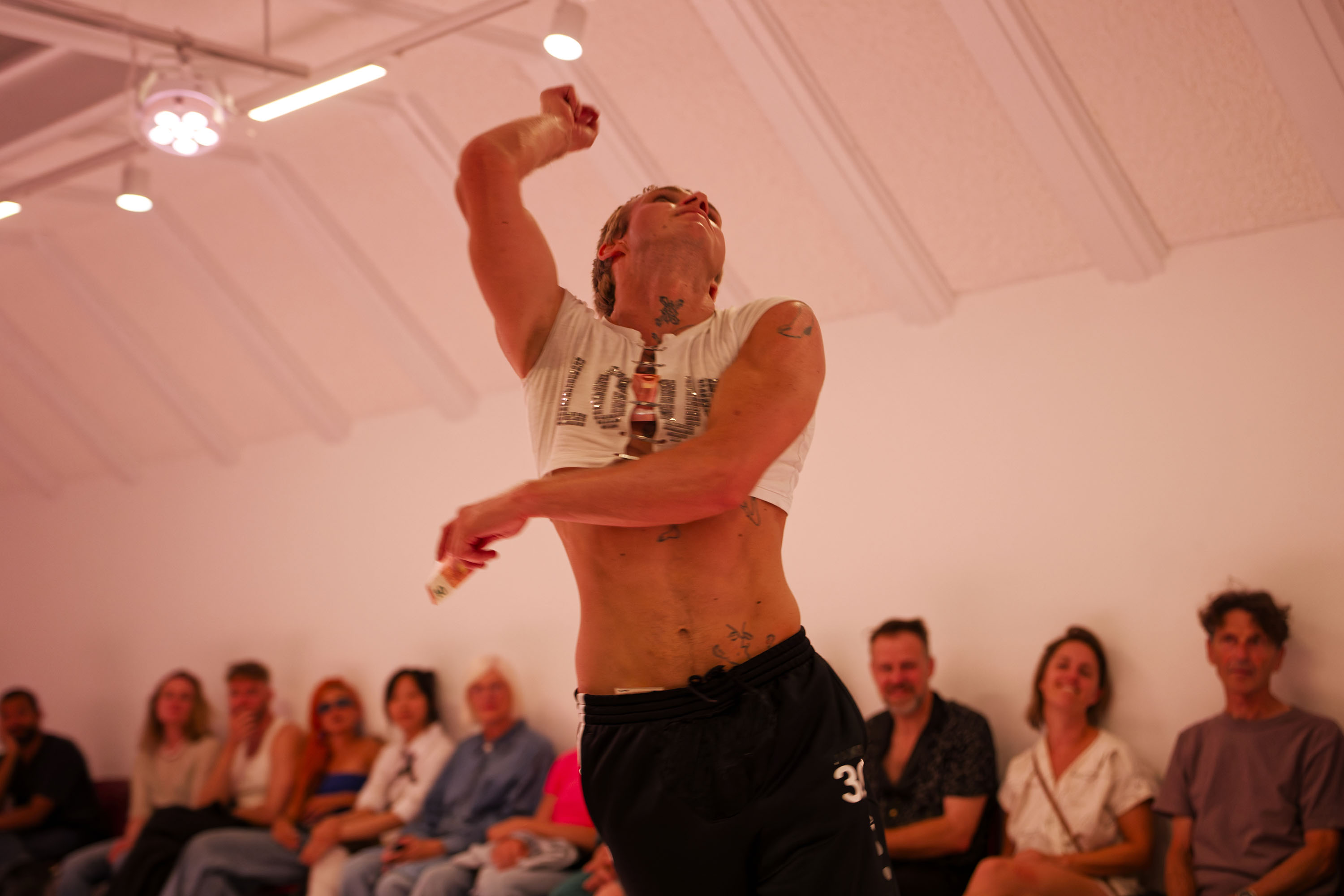
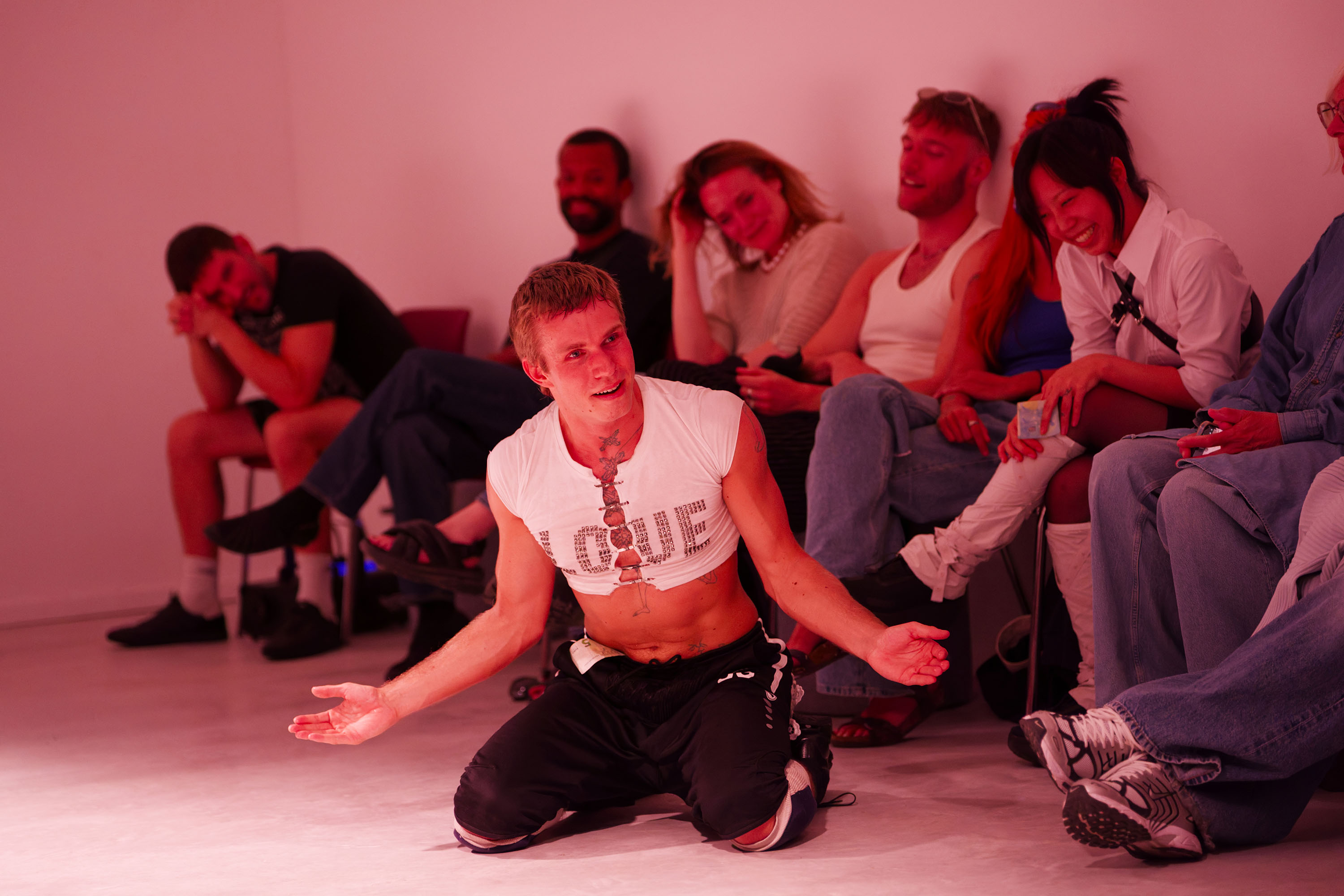
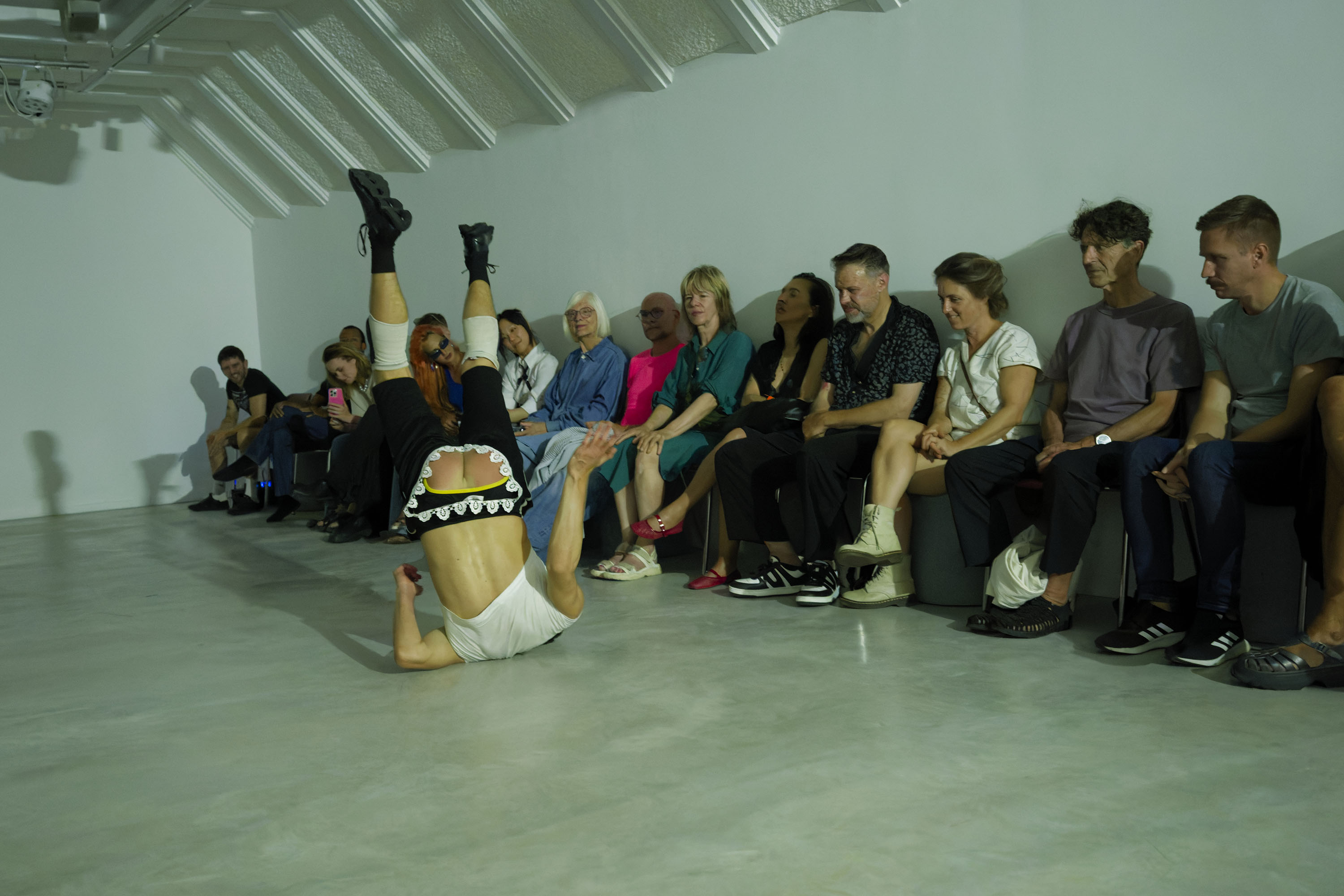
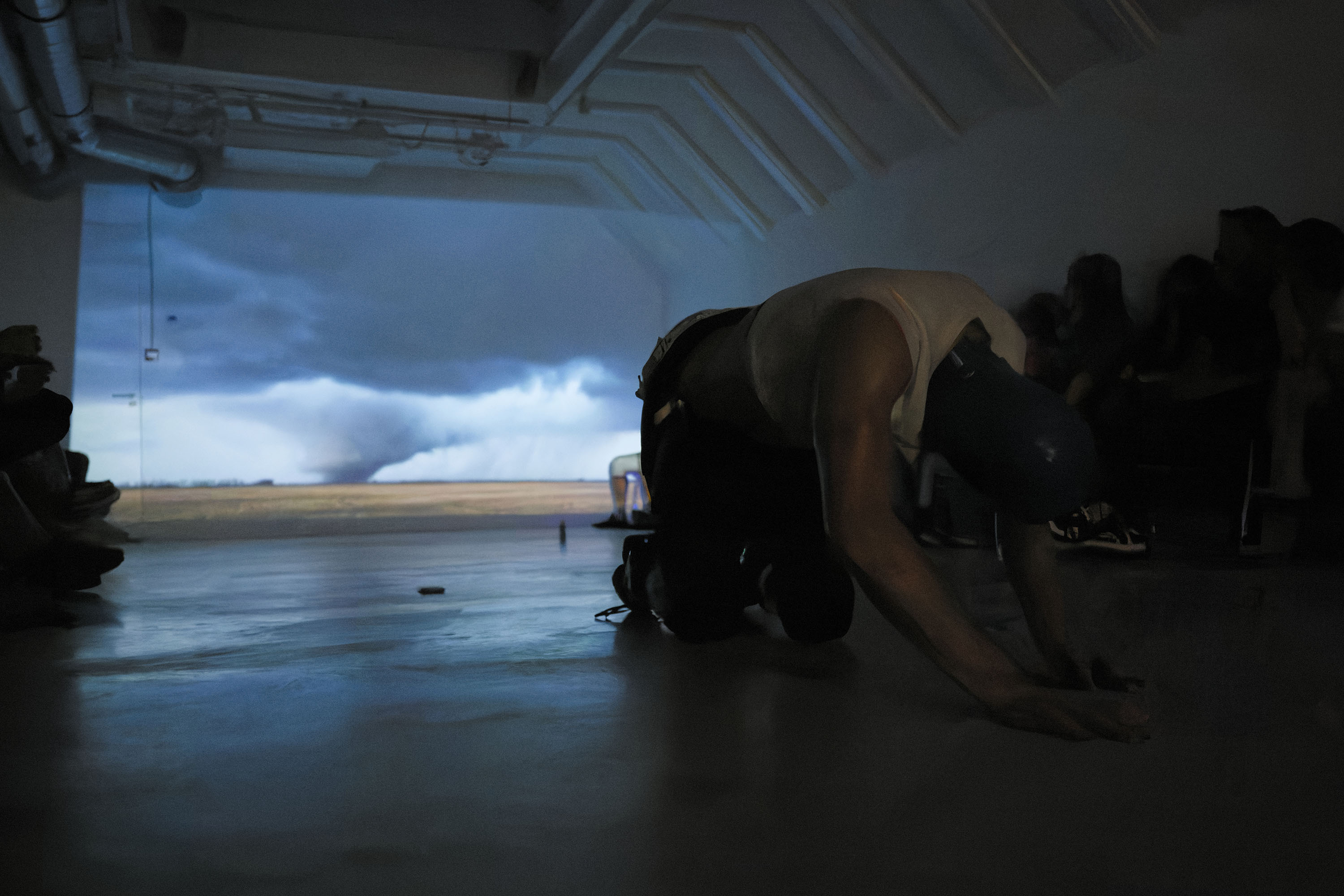
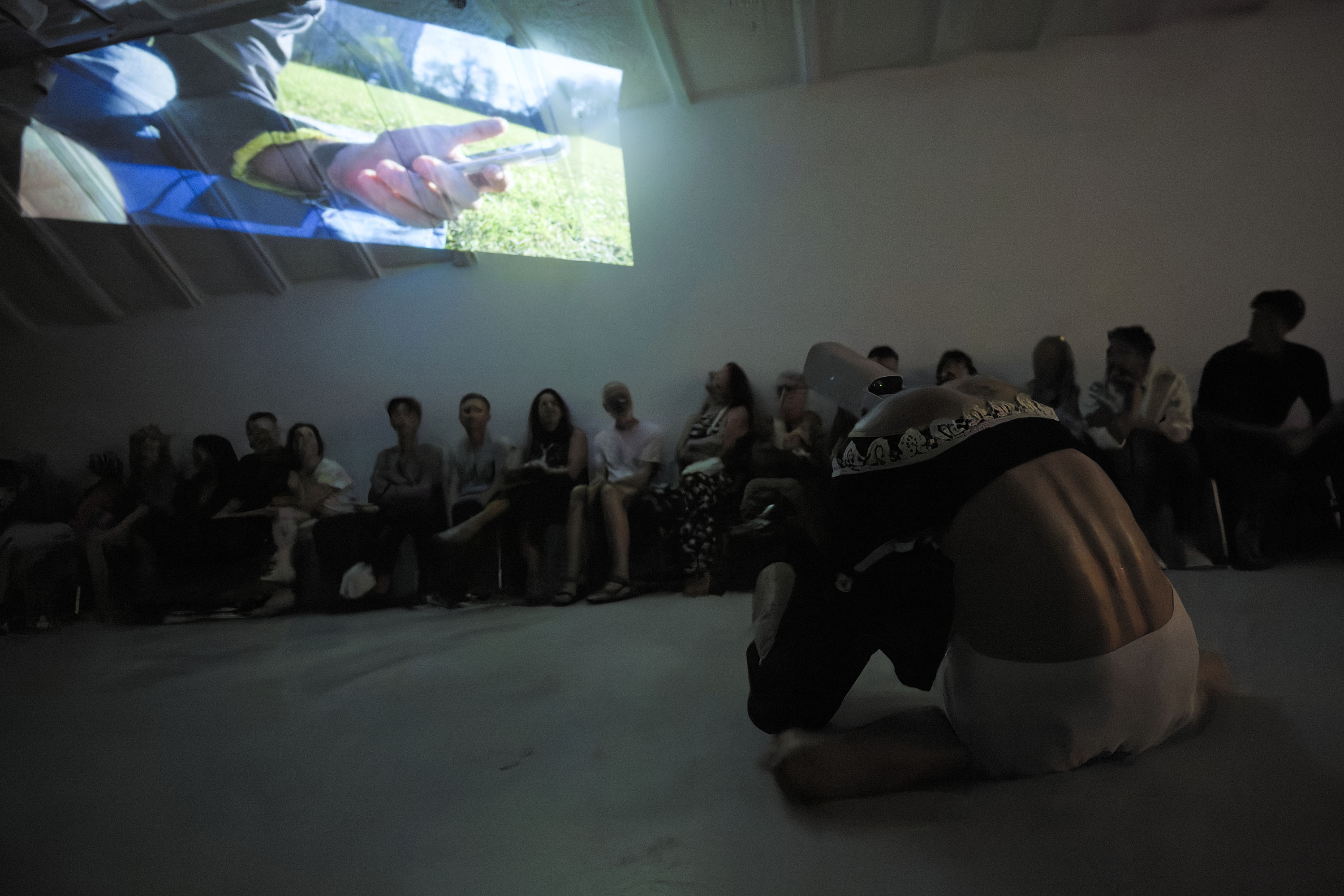
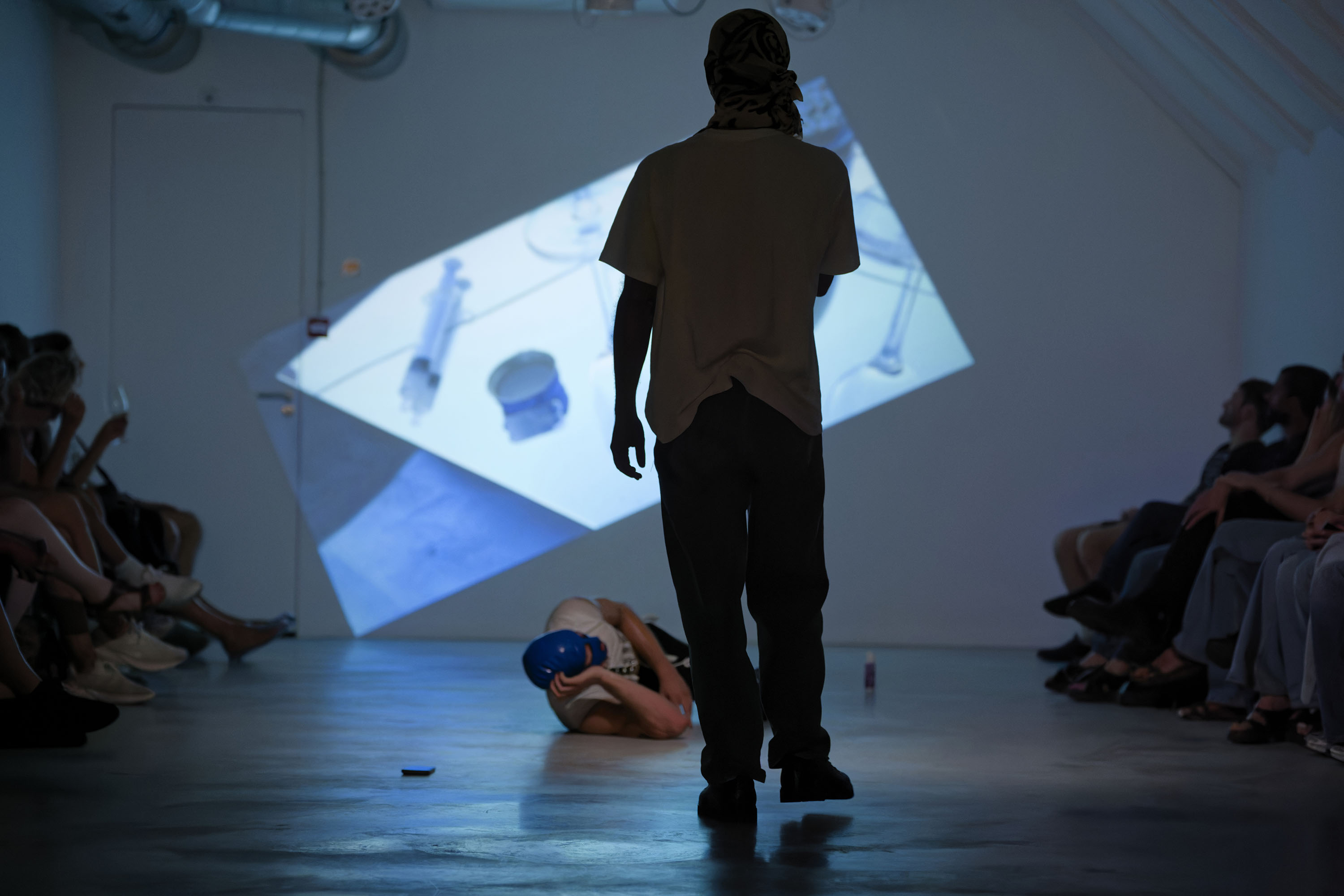
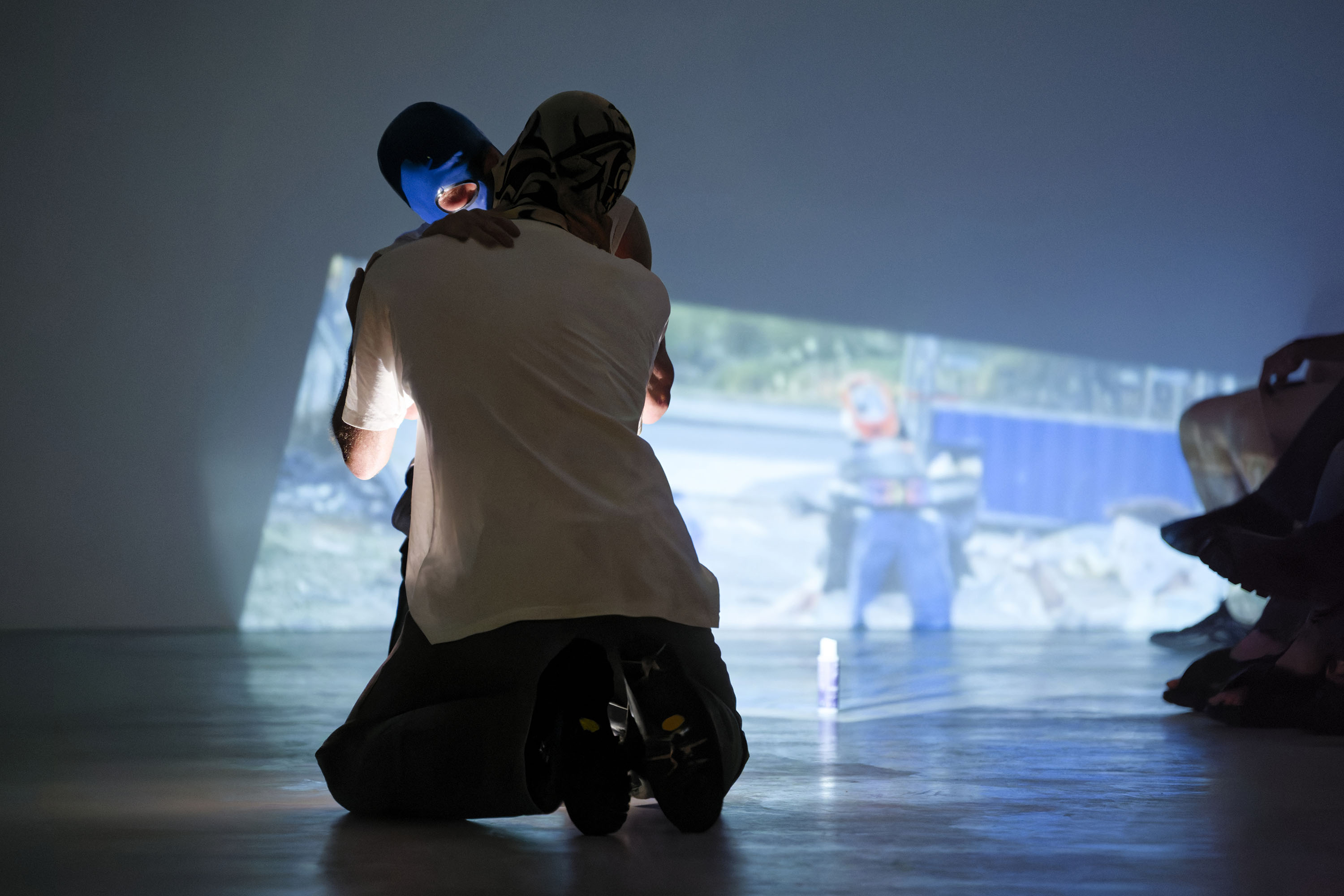
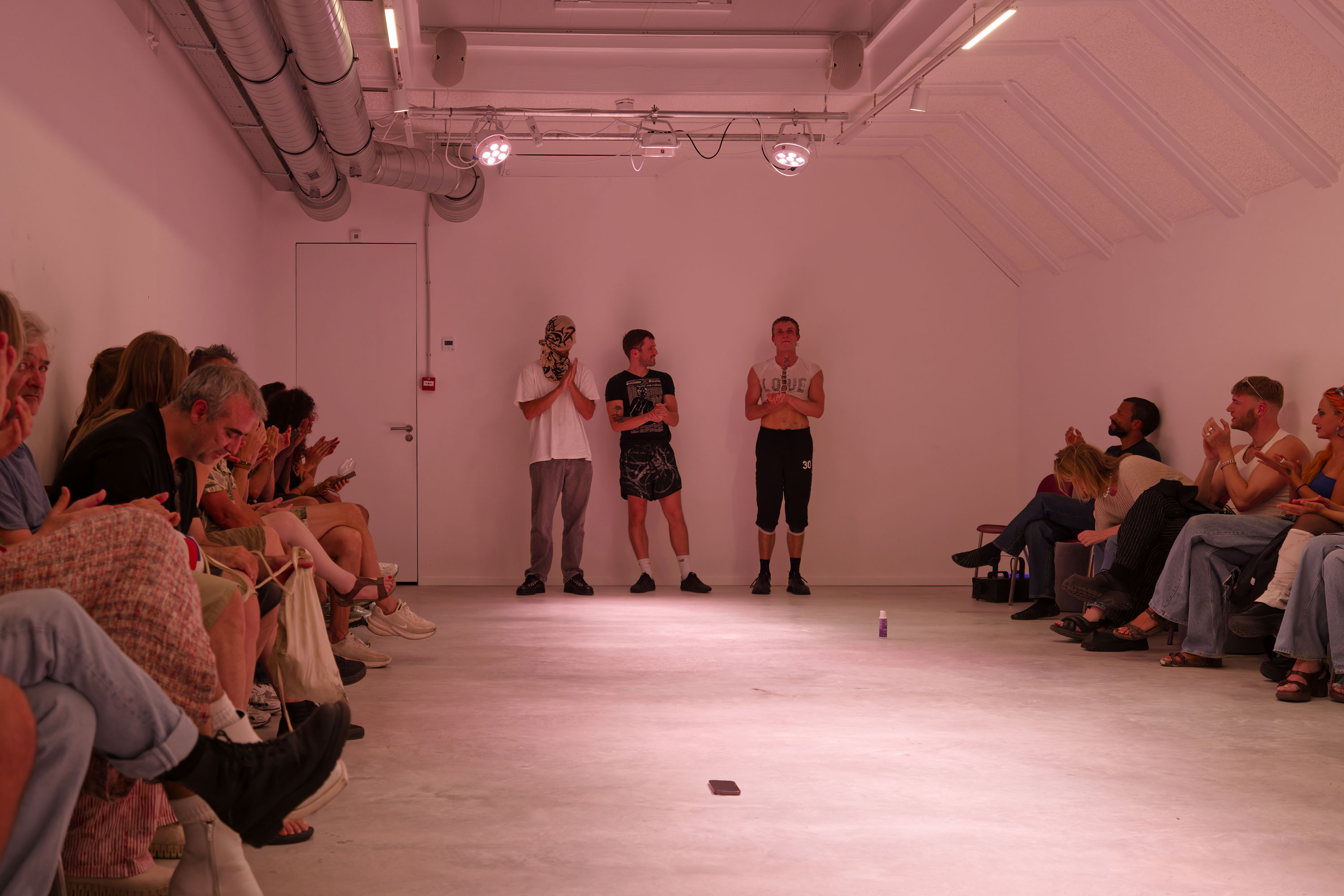
Las Hustlerboy (2025) unfolded as a choreographic experiment in power, intimacy, exchange, and a little bit of p0rn. An inquiry into the performativity of s+x work and the unstable architectures of desire that structure it. The work originates from a deliberate inversion of roles: the artist enters into a contract with a s*x worker, appointing him as both collaborator and authority, while I assumed the position of client. From this asymmetry, a shifting terrain emerges in which authorship, agency, and labor are continuously renegotiated.
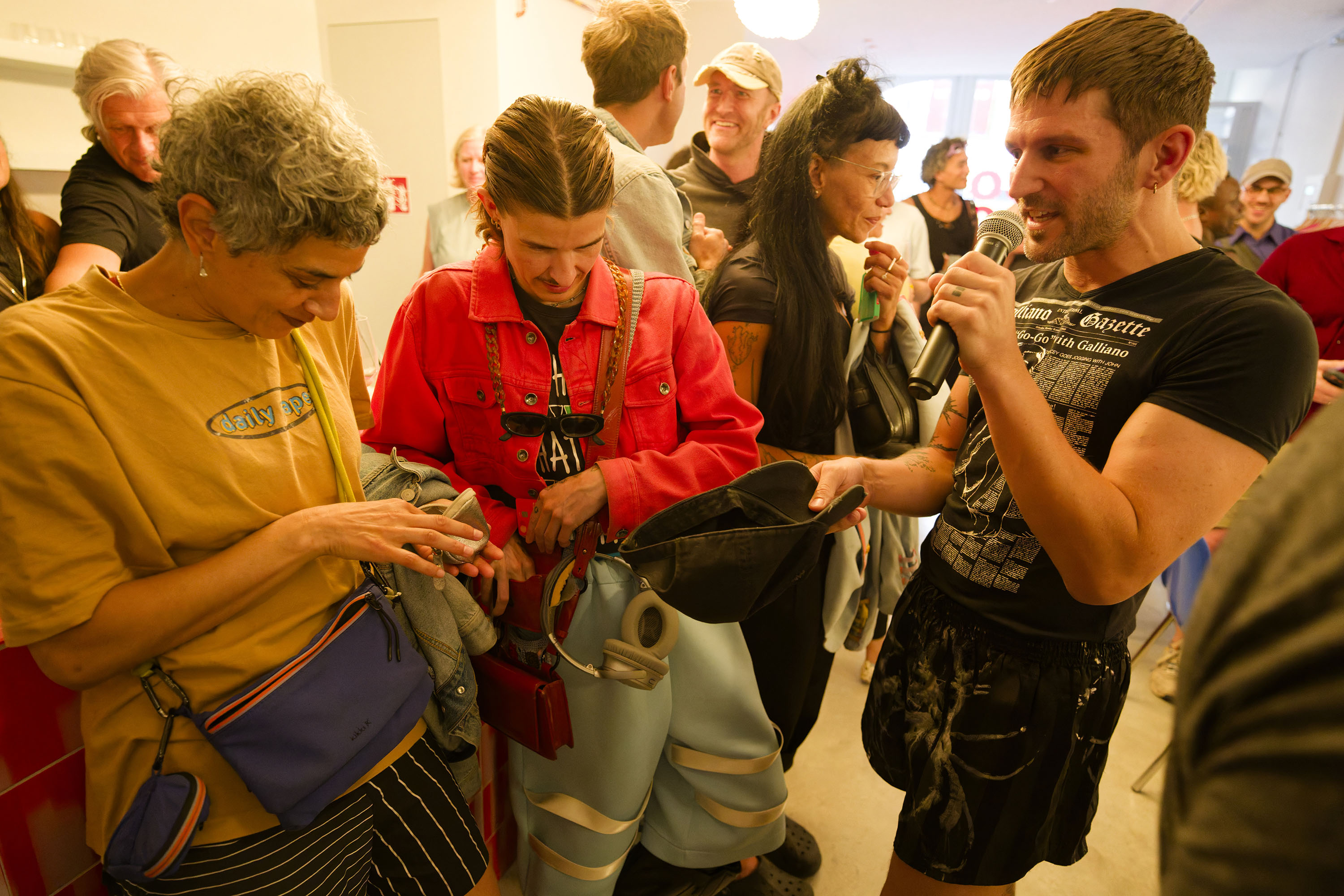
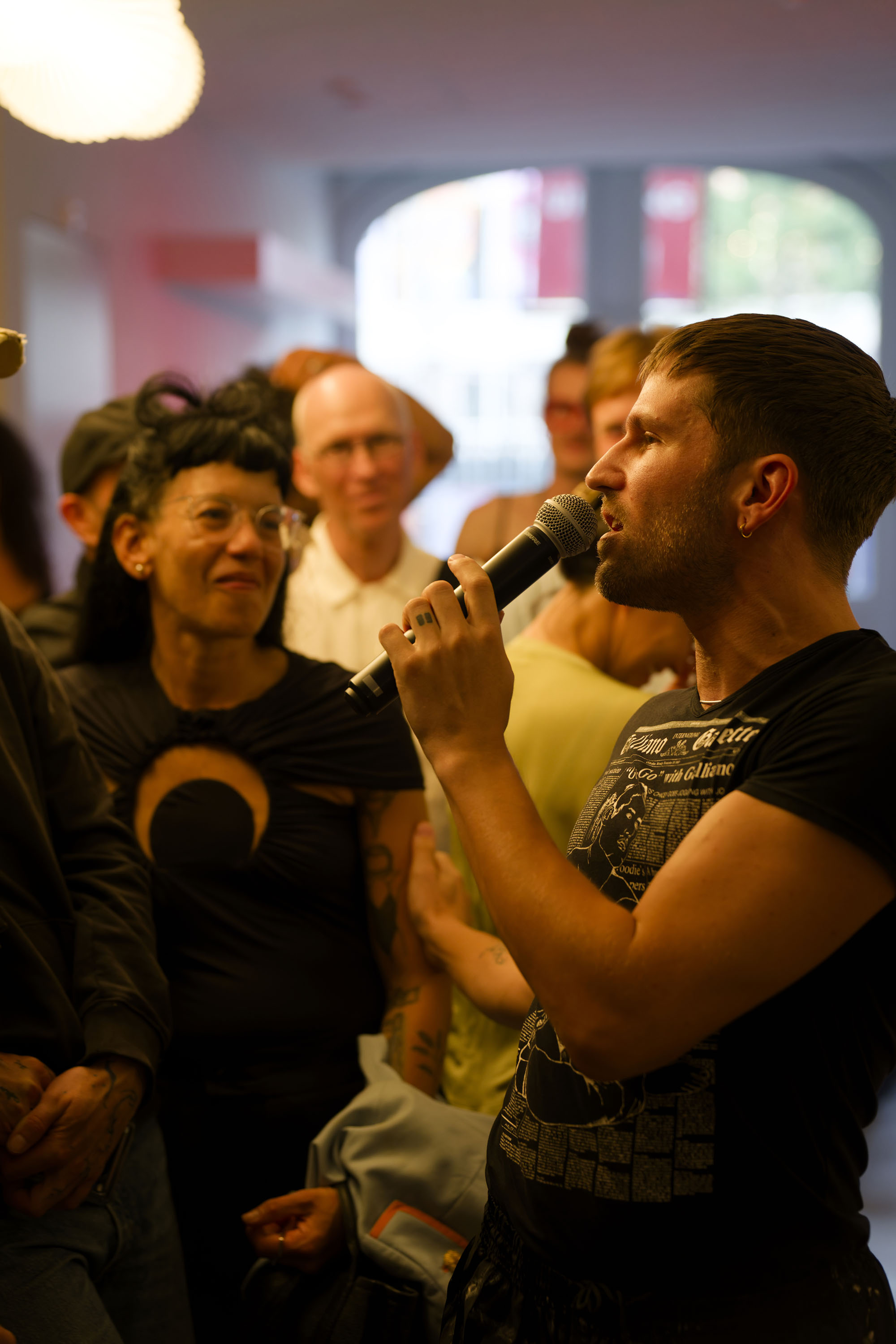
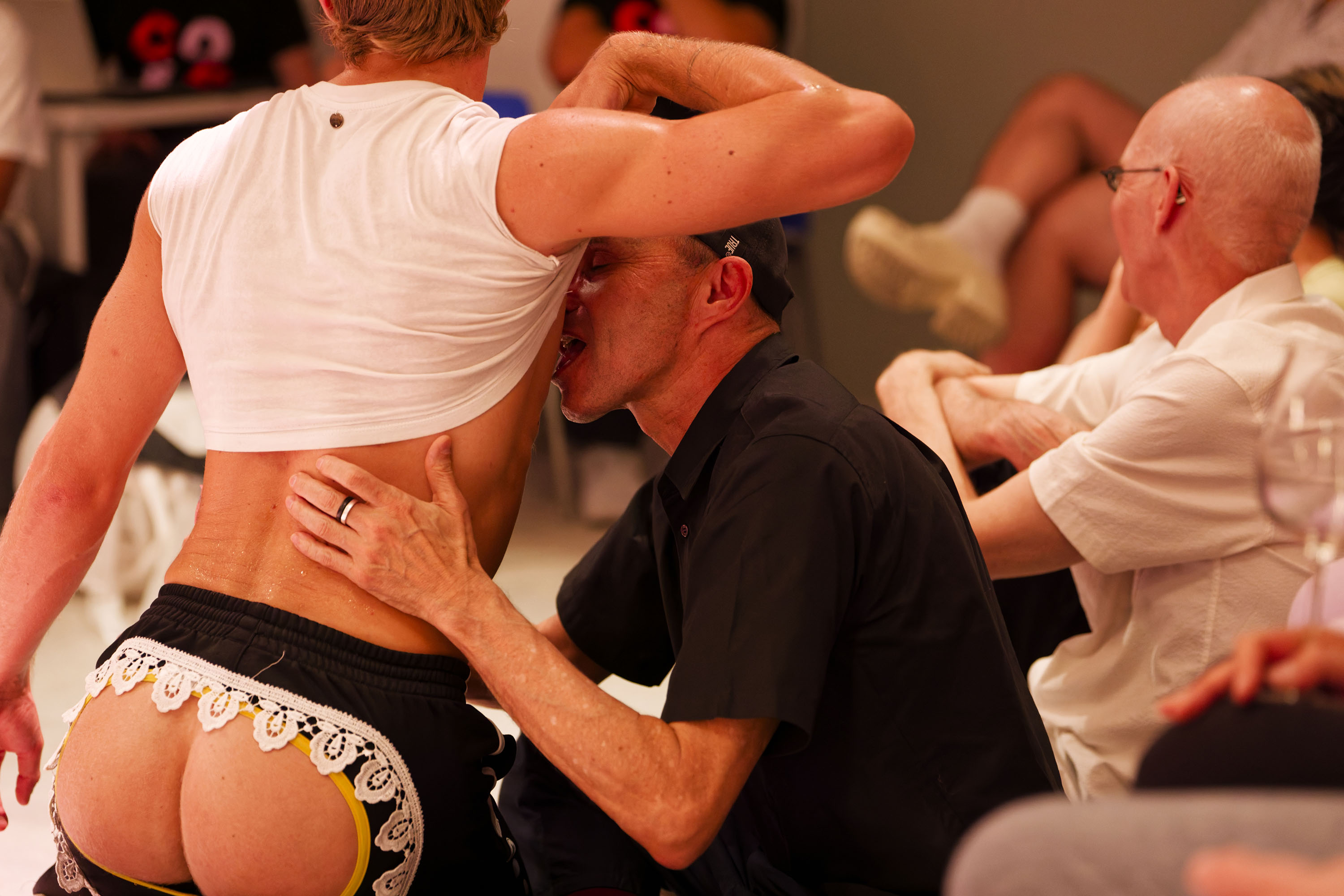
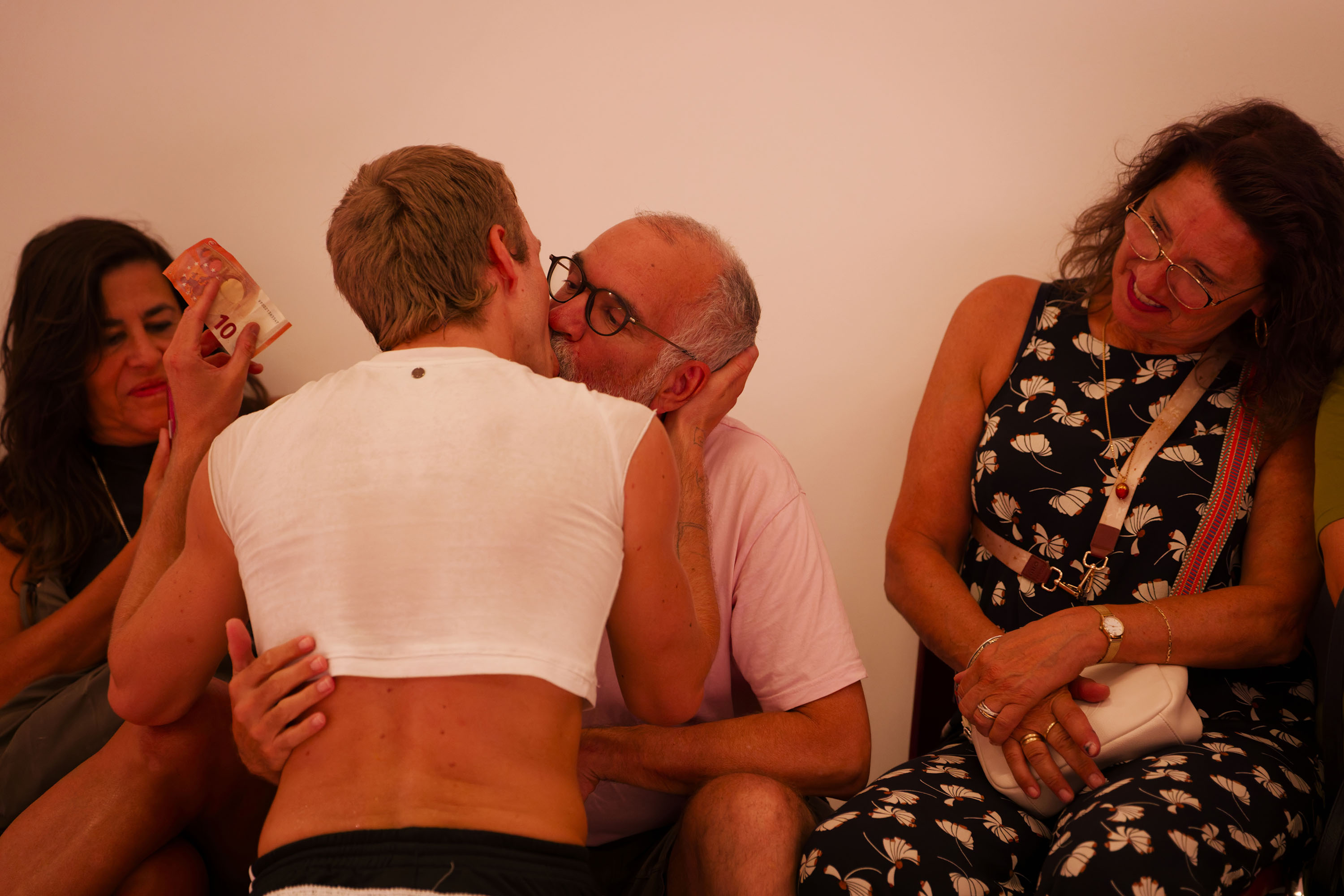
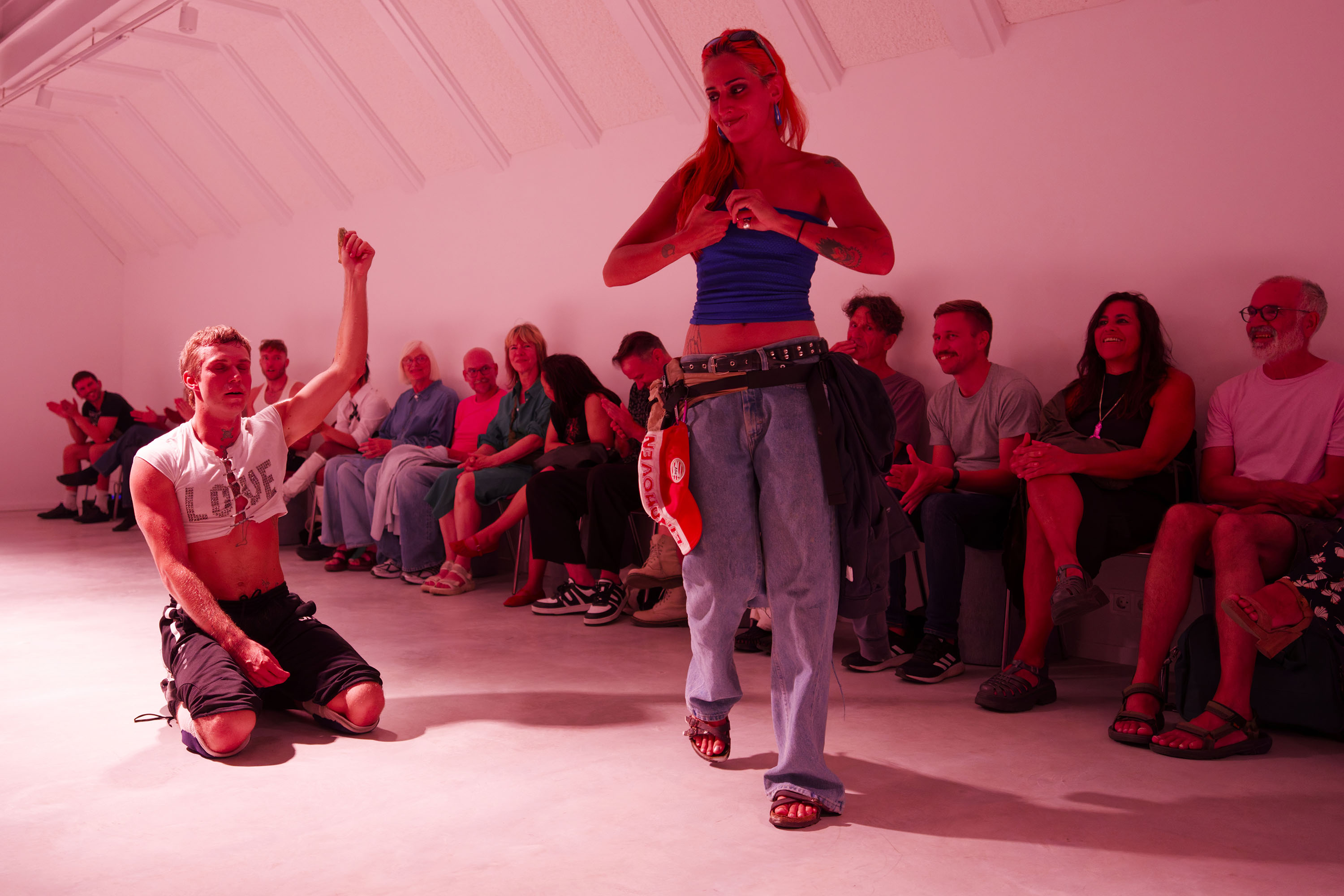
The research + performance translation operates as a living vulnerable open structure rather than a fixed score. Roles circulate, client becomes worker, worker becomes director, spectator becomes participant. What begins as a private transaction unfolds into a public choreography in which the audience is gradually implicated, invited to cross the threshold between observer and consumer, between witness and agent.
Within this unstable framework, the artist experiences the act of “performing sex work” as a choreographic condition rather than a representation: tasks are enacted, power is temporarily transferred, and intimacy becomes a negotiated movement rather than an assumed state. The work constructs a liminal zone where identities dissolve and reassemble, where the performer may become object, the client may become performer, and the audience may momentarily inhabit both. Las Hustlerboy ultimately proposes sex work not as spectacle but as dramaturgy of a living realistic archive: a means of understanding M2M escorting, consent, and embodiment through live exchange. The piece refuses fixed hierarchies and instead, is cultivating a fluid ecology of roles in which control, vulnerability, and desire circulate continuously, leaving open the question of who, in the end, is performing whom?